
Fantasy Football Draft Guide 2026
Embark on your 2026 fantasy journey! This guide offers insights, rankings, and strategies to dominate your league, building a championship-caliber roster with precision.
Understanding 2026 Draft Trends
The evolving landscape of fantasy football demands adaptability. As of January 24, 2026, several key trends are shaping draft strategies. We’re seeing a continued emphasis on pass-catching running backs, elevating their Average Draft Position (ADP). Rookie wide receivers are gaining prominence earlier in drafts, fueled by immediate opportunities and high potential.
Quarterback strategy is becoming more nuanced; while elite options remain valuable, waiting to secure a solid starter in later rounds is increasingly viable. Injuries continue to be a significant factor, necessitating robust contingency planning. The rise of “High Score” fantasy basketball analysis suggests a broader focus on player performance metrics.
Post-season drafts indicate sustained interest, and the complete data set from the college football season is influencing rookie evaluations. Digital banking trends, while seemingly unrelated, reflect a broader shift towards data-driven decision-making applicable to fantasy sports.
League Format Considerations
Your league’s rules fundamentally alter draft strategy. Point Per Reception (PPR) scoring dramatically increases the value of wide receivers and pass-catching running backs, demanding adjustments to player rankings. Standard scoring prioritizes rushing touchdowns, elevating traditional running back importance. Keeper leagues necessitate valuing players with long-term potential, even if their immediate impact is limited.
Redraft leagues require a focus on current-year performance and opportunity. The number of teams significantly impacts player availability; deeper leagues demand greater depth and sleeper identification. Starting lineup requirements – particularly at tight end and flex positions – influence positional scarcity and draft prioritization.
Understanding these nuances is crucial. Digital banking offers convenience, mirroring the need for efficient draft preparation. Adapting to your league’s specific format is paramount for success.
PPR vs. Standard Scoring
The scoring system dictates positional value. In PPR (Points Per Reception) leagues, every reception earns a point, boosting the fantasy output of pass-catching running backs and wide receivers. This elevates players like Christian Watson and Courtland Sutton, who accumulate receptions even with modest yardage. Draft strategy shifts towards prioritizing targets and consistency.
Conversely, standard scoring emphasizes yardage and touchdowns. Traditional, power running backs like Chase Brown gain prominence, as do receivers who consistently find the endzone. The value of a rushing touchdown is significantly higher relative to a reception.
Adapting your rankings is vital. Don’t apply a single ranking list across both formats; adjust based on expected reception totals. Consider the overall league tendencies when drafting.
Keeper vs. Redraft Leagues
League type fundamentally alters draft dynamics. Keeper leagues, where you retain players from the previous season, demand a long-term perspective. Prioritize youth and potential, as retained players represent future assets. Early-round picks should target cornerstone players with multi-year value, even if their immediate 2026 impact isn’t maximal.
Redraft leagues, starting fresh each year, focus solely on the current season. This allows for more aggressive targeting of players poised for immediate breakouts. Don’t hesitate to spend high picks on players with favorable early-season matchups or those benefiting from off-season transactions.
Keeper valuations are complex; consider scarcity and positional need when assessing keeper worth. Redraft allows for riskier, higher-reward picks.
Number of Teams & Starting Lineups
League size and roster requirements dramatically impact player value. In 10-team leagues, securing elite players is paramount, as the talent pool is shallower. Deeper leagues (12+ teams) emphasize depth and waiver wire prowess; targeting high-upside players becomes crucial.
Starting lineups dictate positional scarcity. Superflex leagues elevate quarterback value significantly, demanding early-round investments. Leagues requiring multiple flex positions increase the importance of wide receivers and running backs.

Adjust your draft strategy accordingly. In PPR formats with larger rosters, prioritize pass-catching backs and high-target receivers. Understand your league’s specific rules to maximize your draft efficiency and build a competitive team.
Top Players by Position ‒ Early Rankings (as of 01/24/2026)
Early rankings provide a baseline, but fluidity is key. As of today, January 24th, 2026, initial projections place quarterbacks like Patrick Mahomes and Josh Allen at the top, commanding premium draft capital. Running back rankings are more volatile, with Christian McCaffrey and Bijan Robinson leading the charge, though injury risk looms large.
Wide receiver depth is substantial; Justin Jefferson and Ja’Marr Chase are projected as elite options. Tight end remains a position of scarcity, with Travis Kelce still a potential top-tier pick, despite his age. Kicker and defense are late-round considerations, focusing on consistent performers.
These rankings will evolve throughout the offseason, influenced by free agency and the NFL Draft.
Quarterback Rankings & Sleepers
Elite QBs demand early picks, but value exists later. Patrick Mahomes, Josh Allen, and Jalen Hurts form the top tier, offering consistent high-end production. Following them, Lamar Jackson and Joe Burrow present strong, reliable options. Don’t overpay for a quarterback; depth at the position is improving.
Sleeper potential lies in ascending players. Keep an eye on Justin Fields, who possesses rushing upside, and potentially Jordan Love, if he continues to develop. Anthony Richardson, post-injury, could offer significant value if he returns to form. These players offer a high ceiling at a reasonable draft cost.
Prioritize quarterbacks with rushing ability, as they provide a higher floor in fantasy scoring.
Running Back Rankings & Potential Breakouts
Running back is a volatile position; prioritize early. Christian McCaffrey and Bijan Robinson are projected as the top options, commanding premium draft capital. Austin Ekeler and Jonathan Taylor, if healthy, remain high-value picks. However, injury risk is substantial at this position, necessitating careful consideration.
Identifying breakout candidates is crucial for success. Zamir White shows promise in a potentially featured role, offering significant upside. Chase Brown could emerge as a reliable starter with consistent volume. Look for backs in favorable offensive schemes with clear paths to touches.
Target running backs who excel as pass-catchers, adding a valuable dimension to their fantasy output.
Wide Receiver Rankings & Value Picks
Wide receiver depth is key to a successful draft. Justin Jefferson and Ja’Marr Chase are elite, but securing a top-tier WR early isn’t always essential. CeeDee Lamb and Tyreek Hill offer consistent production, though at a premium cost. Focus on volume and target share when evaluating receivers.
Identifying value picks is paramount. Courtland Sutton presents intriguing upside at a potentially lower ADP. Christian Watson, if healthy, could be a steal given his big-play ability. Target receivers with strong connections with their quarterbacks.
Don’t overlook receivers in pass-heavy offenses; they’ll consistently generate fantasy points.
Tight End Rankings ‒ Identifying Elite Options
Tight end is a notoriously volatile position. Travis Kelce remains the gold standard, but his age introduces risk. Mark Andrews, when healthy, provides a high floor, though injury concerns linger. George Kittle’s dual-threat ability makes him a valuable asset, dependent on 49ers’ offensive scheme.
Identifying breakout candidates is crucial. Sam LaPorta exceeded expectations in 2024 and could continue his ascent. Taysom Hill’s unique role offers a weekly floor, albeit with a lower ceiling. Prioritize tight ends heavily involved in the red zone.
Don’t overspend on a tight end unless you secure an elite option like Kelce.
Kicker & Defense/Special Teams Strategies
Kicker and DST are late-round considerations. Don’t prioritize them early; stream based on matchups. Target kickers on high-scoring offenses playing in favorable weather conditions. Look for defenses facing rookie quarterbacks or struggling offenses.
Defensive consistency is rare. Focus on units generating turnovers and sacks. Baltimore, San Francisco, and Dallas consistently rank among the top DSTs, but are often over-drafted. Consider units with favorable early-season schedules.
Streaming DSTs weekly based on opponent is a viable strategy. Prioritize matchups against pass-heavy teams for sack potential.
Draft Strategy & Tactics
Adapt your strategy to the draft format. In auction drafts, prioritize elite players and be prepared to bid aggressively. Snake drafts require anticipating picks and understanding positional value. Early rounds should focus on securing running backs and wide receivers, the most volatile positions.
Positional scarcity matters. Identify positions with limited elite options and target them accordingly. Monitor Average Draft Position (ADP) to identify value discrepancies. Don’t reach for players; let value come to you.
Exploit market inefficiencies. Be aware of player hype and avoid overpaying for overrated players. Target players with upside who may be undervalued due to injury history or perceived risk.
Auction Draft Strategies
Auction drafts demand a different approach than snake drafts. Establish a budget and stick to it, allocating funds strategically based on positional value. Don’t blow your entire budget on one or two stars; maintain flexibility for later rounds.
Nominate strategically. Use nominations to drive up the price on players you don’t want, forcing opponents to overspend. Conversely, nominate undervalued players you desire to potentially secure a bargain.
Be patient and opportunistic. Don’t panic-bid early. Wait for opportunities to snag players at below-market value as others exhaust their funds. Target players with high upside who may be overlooked.
Snake Draft Strategies
Mastering the snake draft requires anticipating your picks and understanding positional runs. Early rounds should prioritize elite running backs and wide receivers, securing foundational pieces. Be mindful of positional scarcity – tight ends often dry up quickly.
Adapt to the draft flow. If a run on quarterbacks begins, consider securing yours earlier than anticipated. Conversely, if running backs are flying off the board, pivot to wide receiver value.
Don’t reach excessively. Stick to your player rankings and avoid overpaying for players simply because of positional need. Target players with high upside in later rounds to fill out your roster.
Positional Value & ADP (Average Draft Position)
Understanding positional value and ADP is crucial for draft success. Running backs historically hold the highest value due to scarcity, especially those projected for significant volume. Wide receivers offer depth, allowing for strategic drafting based on ADP.
ADP provides a benchmark, but don’t blindly follow it. Identify players whose ADP undervalues their potential. Target these “value” picks to gain an edge.
Consider your league’s scoring format. PPR leagues elevate the value of pass-catching running backs and wide receivers. Adjust your rankings accordingly, prioritizing targets and receptions.
Identifying & Exploiting Value Discrepancies
Savvy drafters exploit value discrepancies to build superior teams. This means recognizing when a player’s potential significantly exceeds their Average Draft Position (ADP). These opportunities arise from varying player perceptions and pre-season narratives.
Focus on players with upside, particularly those in new situations or with evolving roles. A running back gaining a clear path to touches, or a receiver poised for increased targets, represents a value.
Monitor news closely; Injuries to starters or unexpected depth chart changes can dramatically alter a player’s value. Be prepared to adjust your rankings and capitalize on these shifts during the draft.
Rookie Impact ‒ Class of 2026
The 2026 rookie class holds potential league-winners. Identifying these players early is crucial for draft success. While predicting immediate impact is challenging, focusing on opportunity and talent is key.
Running backs often offer the quickest returns, especially those landing in favorable situations with a clear path to carries. Monitor pre-season battles closely to gauge their role within the offense.
Wide receivers require more patience, but possess significant upside. Look for those with elite athleticism and a defined role in a pass-heavy scheme. Quarterbacks are the hardest to predict, but those with strong arm talent and decision-making skills warrant consideration.
Top Rookie Running Backs to Watch
Early buzz surrounds several exciting rookie running backs in the 2026 class. Identifying potential workhorses is paramount for fantasy success. Keep a close eye on landing spots and coaching philosophies, as these heavily influence opportunity.
Currently, Javon Baker and Audric Estime are generating significant hype, possessing a blend of size, speed, and receiving ability. However, pre-season performance will be the ultimate deciding factor.
Don’t overlook prospects who may not have the initial fanfare, but demonstrate a knack for finding the endzone or excel as pass-catchers. Chase Brown and Zamir White are names to remember, potentially offering late-round value.
Promising Rookie Wide Receivers
The 2026 wide receiver class boasts impressive depth and potential game-changers. Identifying rookies poised for immediate impact is crucial for a competitive fantasy roster. Target players with clear paths to targets and favorable offensive schemes.
Early projections favor prospects known for their route-running and hands. Courtland Sutton, despite being a later-round pick, is attracting attention for his polished skillset. However, remember that rookie production is notoriously unpredictable.
Christian Watson is another name to monitor closely, possessing the speed and size to stretch the field; Don’t sleep on sleepers! Players who may not be highly touted but demonstrate exceptional athleticism or a strong connection with their quarterback could emerge as valuable assets.
Rookie Quarterbacks with Upside
Identifying rookie quarterbacks with fantasy potential is a high-risk, high-reward endeavor. While immediate starters are rare, certain prospects possess the talent and opportunity to become valuable assets. Focus on those entering favorable situations with weak quarterback competition or innovative offensive schemes.
Early analysis suggests a lack of truly “plug-and-play” options in the 2026 class. However, several intriguing prospects warrant consideration as late-round fliers. Look for quarterbacks with rushing upside, as that significantly boosts their fantasy floor.
Scouting reports emphasize arm strength and decision-making. Remember that rookie quarterbacks often face a steep learning curve. Patience is key, and temper expectations accordingly. Prioritize quarterbacks with strong supporting casts to maximize their potential.
Injury Risks & Player News
Staying informed about player health is paramount to fantasy success. Pre-season injuries can drastically alter draft strategies and player values. Closely monitor reports from training camp, paying attention to severity and expected recovery timelines. A seemingly minor injury can become a significant issue during the season.

Training camp battles provide crucial insights into player roles and potential workloads. Keep tabs on depth chart movements and coaching comments. Unexpected breakouts or declines in performance often emerge during this period.
Off-season transactions – trades, free agent signings – reshape team dynamics. Analyze how these moves impact individual player opportunities. A change of scenery can revitalize a player’s fantasy outlook, while a new addition might diminish another’s value.
Monitoring Pre-Season Injuries
Pre-season injuries are a significant disruptor to fantasy plans. Diligent monitoring is crucial; a star player’s value plummets with a significant injury. Utilize reliable sources – official team announcements, reputable sports journalists – to confirm injury reports and assess severity.
Pay attention to the type of injury. Hamstring strains, for example, often linger and can re-aggravate, impacting a player’s performance for weeks. More serious injuries, like ligament tears, necessitate long-term adjustments to your draft strategy and waiver wire activity.
Consider the player’s injury history. Players with a pattern of injuries are higher risks, even if the current ailment seems minor. Factor this into your Average Draft Position (ADP) assessment and be prepared to pivot if necessary.

Staying Updated on Training Camp Battles
Training camp battles are pivotal for uncovering fantasy value. Monitoring these competitions reveals potential starters and depth chart changes, significantly impacting player projections. Focus on positions with unclear hierarchies – running back committees and wide receiver corps are prime examples.
Pay close attention to coaching comments. Coaches often provide subtle clues about their preferences and plans. Look for reports indicating a player is consistently receiving first-team reps or earning praise for their performance.
Utilize beat writers and local media. They offer invaluable on-the-ground insights into team dynamics and player progress. Don’t solely rely on national narratives; local reporting often provides a more nuanced perspective, crucial for identifying late-round gems.
Impact of Off-Season Transactions
Off-season moves reshape fantasy landscapes. Free agency and the NFL Draft dramatically alter player opportunities and team dynamics. Thoroughly assess how these transactions affect individual player value – a change of scenery can be transformative.
Analyze player acquisitions and departures. A star receiver joining a new team might see a boost in targets, while a running back losing a key blocker could face a diminished role. Consider the ripple effect on the entire offense.
Evaluate coaching changes. New offensive schemes can significantly impact player production. Understand the coach’s tendencies and how they align with a player’s skillset. This is vital for accurate projections and draft strategy.
Late-Round Steals & Waiver Wire Potential
Dominating leagues requires shrewd late-round picks and proactive waiver wire management. Don’t underestimate the value of identifying players with untapped potential or those in advantageous situations. These are league-winning moves!
Target players with clear paths to playing time. Injuries or underperformance from starters can quickly elevate a backup to fantasy relevance. Prioritize players on teams with uncertain depth charts.
Seek out players in favorable offensive systems. A talented receiver in a pass-heavy offense has a higher ceiling than one in a run-first scheme. Consider offensive line improvements too – they benefit everyone.
Identifying Players with High Upside
Unearthing high-upside players is crucial for late-round success. These aren’t necessarily the most polished prospects, but possess the raw talent and opportunity to significantly outperform their draft position.
Focus on players with athletic advantages. Speed, size, and agility are indicators of potential. Look for players who tested well at the combine or pro day, even if their college production was limited.
Consider players with changing circumstances. A rookie thrust into a starting role due to injury, or a veteran joining a more pass-friendly offense, can experience a dramatic increase in value.
Targeting Players in Favorable Situations
Context is king! Identifying players poised for success due to their team environment is a cornerstone of effective drafting. Don’t just look at talent; assess opportunity.
Prioritize players on high-powered offenses. A rising tide lifts all boats. Players on teams expected to score a lot of points will naturally have more chances to accumulate fantasy stats.

Seek out players with a clear path to targets or carries. Injuries to key teammates, or a lack of competition at their position, can create immediate opportunities for increased production.
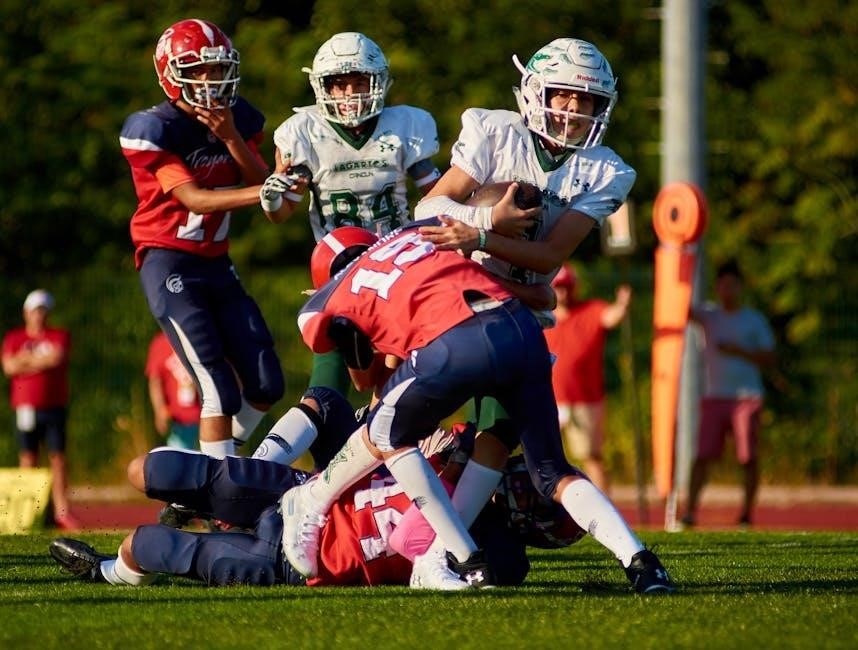
Potential Sleepers to Draft
Unearth hidden gems! Late-round picks are where championships are often won. Focus on players with untapped potential or those overlooked due to preseason hype surrounding others.
Target players with new team opportunities. A change of scenery can revitalize a career. Players who’ve joined new teams, especially those with a need at their position, are prime sleeper candidates.
Look for players returning from injury. Often, these players are available at a discount, but possess the talent to significantly outperform their draft position if they regain their form. Don’t shy away from calculated risks!