
Navigating the complexities of altering digitally signed PDFs presents unique hurdles, demanding careful consideration of security, legality, and document integrity․
Finding a truly free, fully-featured editor—like those discussed on Reddit—can be surprisingly difficult, often requiring compromises or subscriptions․
The NachoNacho marketplace offers potential discounts, but verifying functionality remains crucial․ Editing text within a signed PDF, while achievable, requires specialized tools and awareness of potential ramifications․
Understanding PDF Security and Signatures
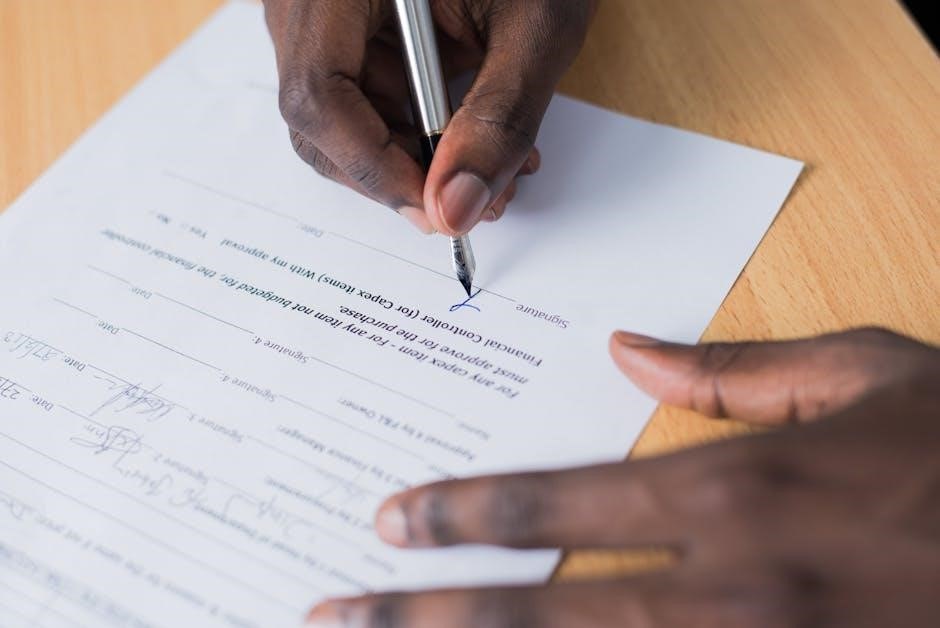
PDF security relies on a layered approach, incorporating password protection, encryption, and, crucially, digital signatures․ These signatures aren’t merely images; they are cryptographic mechanisms verifying the document’s authenticity and integrity since it was signed․ A digital signature binds the signer’s identity to the document’s content, ensuring no unauthorized alterations have occurred․
When a PDF is signed, a hash of the document’s content is encrypted with the signer’s private key․ This encrypted hash, along with the signer’s certificate, forms the digital signature․ Any change to the PDF, even a single character, alters the hash, invalidating the signature․ This is why directly editing a signed PDF is often problematic․
Understanding these underlying principles is vital․ Attempts to edit a signed PDF without proper tools or knowledge can easily corrupt the document or render the signature invalid, raising questions about its legal standing․ The security features are designed to prevent tampering, making modification a deliberate and potentially risky process․
Why Edit a Signed PDF? Common Scenarios
Despite the security measures, legitimate reasons for editing a signed PDF occasionally arise․ A frequent scenario involves minor errors discovered after signing – a typographical mistake, an incorrect date, or a missing clause․ Correcting these without re-signing can save significant time and effort․
Another common situation is the need to add supplementary information, such as attachments or clarifying notes, to a signed agreement․ While ideally done before signing, practical constraints sometimes necessitate post-signature additions․ Furthermore, internal document workflows might require minor formatting adjustments even on signed copies․
However, it’s crucial to differentiate between legitimate edits and attempts to alter the core agreement․ The desire for a free, text-editable PDF, as sought on platforms like Reddit, often stems from these practical needs․ Understanding the context and potential consequences is paramount before proceeding with any modifications․

Methods for Editing Signed PDFs
Various approaches exist for modifying signed PDFs, ranging from professional software like Adobe Acrobat Pro to accessible online editors and dedicated alternatives, each with tradeoffs․
Using Adobe Acrobat Pro (Paid Option)
Adobe Acrobat Pro remains the industry standard for comprehensive PDF manipulation, offering robust features for handling signed documents, though it comes at a significant cost․ The primary method involves attempting to remove the digital signature, a process not always possible depending on the signature’s implementation and permissions set by the signer․
If signature removal is successful, Acrobat Pro allows full editing capabilities – text modification, image adjustments, and form field alterations․ However, removing a signature invalidates it, and re-saving the document creates a new version, effectively voiding the original signed copy․
Users should exercise extreme caution and understand the legal implications before removing any signature․ Acrobat Pro also provides tools for adding new signatures and managing permissions, ensuring a secure workflow․ It’s crucial to save a copy of the original signed PDF before making any changes, preserving the integrity of the initial document․
Removing the Signature (If Possible)
Attempting to remove a digital signature within Adobe Acrobat Pro isn’t always straightforward and depends heavily on the signature’s security settings․ Acrobat Pro offers a “Remove Signature” function, typically found under the “Protect” or “Certificates” sections․ However, this option is often greyed out or inaccessible if the signature is deeply embedded or protected by strong permissions․
If the signature can be removed, Acrobat Pro will prompt for confirmation, clearly stating that removing the signature invalidates it․ The process doesn’t erase the signature visually, but rather breaks the digital certification, rendering it unusable․
It’s vital to understand that removing a signature creates a new, unsigned document․ Always retain a copy of the original signed PDF before proceeding, as the removal is irreversible without access to the original signer․ Successfully removing the signature unlocks editing capabilities, but at the cost of the original document’s validity․
Editing Content After Signature Removal

Once a digital signature has been successfully removed (if possible), the PDF becomes editable like any other document within Adobe Acrobat Pro․ Users can then modify text, images, and other elements as needed, utilizing Acrobat’s standard editing tools․ This includes adding, deleting, or altering content, changing fonts, and adjusting formatting․
However, it’s crucial to remember that any changes made after signature removal fundamentally alter the original document․ The resulting PDF is no longer the same document that was originally signed and certified․

After editing, consider utilizing Acrobat’s features to add comments or annotations indicating the changes made and the date of modification, maintaining a clear audit trail․ Always save a new version of the document to avoid overwriting the original signed copy, preserving its integrity for record-keeping purposes․
Online PDF Editors (Free & Paid)
Numerous web-based PDF editors offer varying degrees of functionality for editing signed documents, presenting alternatives to desktop software․ These platforms, like iLovePDF, Smallpdf, and PDFescape, often provide both free and subscription-based options․ Reddit discussions highlight the search for truly free editors capable of text editing and digital signatures․
While convenient, online editors require uploading sensitive documents to external servers, raising security concerns․ Free versions typically impose limitations on file size, features, or the number of tasks per day․ Paid subscriptions unlock advanced editing capabilities and remove these restrictions․
Carefully evaluate the security protocols and privacy policies of any online editor before use, ensuring your data is protected․ Consider the trade-offs between cost, features, and security when selecting a suitable platform․
iLovePDF: Editing and Signature Management
iLovePDF presents a comprehensive suite of tools for PDF manipulation, including editing, merging, splitting, and converting․ While it offers signature capabilities, editing a signed PDF directly is complex․ The platform allows for adding new signatures, but altering content after a signature is applied often requires removing the signature first – a process not always possible depending on the signature type․

iLovePDF’s online interface is user-friendly, making it accessible for various skill levels․ It provides both free and paid options, with the paid version offering increased file size limits and faster processing speeds․ Users should be mindful of uploading sensitive documents to a third-party service, reviewing their privacy policy carefully․
The platform’s signature management features are robust, but editing existing signed content remains a significant challenge․
Smallpdf: A Comprehensive Online Solution
Smallpdf is a widely-used online PDF toolkit offering a broad range of functionalities, including editing, compression, conversion, and e-signing․ Like iLovePDF, directly editing a signed PDF presents obstacles․ While Smallpdf excels at adding digital signatures and filling forms, modifying content after signing often necessitates signature removal, which isn’t always feasible․
The platform boasts a clean, intuitive interface, making it easy to navigate even for beginners․ Smallpdf operates on a freemium model, providing limited free access and requiring a paid subscription for unlimited usage and advanced features․ Users should prioritize data security when utilizing online tools, understanding the platform’s data handling practices․
Smallpdf’s strength lies in its versatility, but editing signed PDFs remains a nuanced process․
PDFescape: Online and Desktop Editing
PDFescape distinguishes itself by offering both a web-based and a desktop version, providing flexibility for users․ It allows for direct PDF editing, form filling, annotation, and even basic signature creation․ However, similar to other online editors, altering a signed PDF isn’t straightforward․ Removing a signature to enable editing can be complex and may not always be possible depending on the signature type and PDF security settings․
The online version is convenient for quick edits, while the desktop version offers more robust features․ PDFescape’s free online version has limitations on file size and number of pages․ Users seeking comprehensive editing capabilities may require a paid subscription․ As with all online tools, understanding their privacy policy is crucial before uploading sensitive documents․
Dedicated PDF Editing Software (Alternatives to Acrobat)
Beyond Adobe Acrobat Pro, several dedicated PDF editing software packages offer alternatives for modifying signed documents․ These often provide a balance between functionality and cost, catering to users who need more than basic online tools but don’t require Acrobat’s full suite․ Editing a signed PDF with these programs typically involves attempting signature removal, which isn’t always successful due to security restrictions․
Software like PDFelement and Foxit PDF Editor boast feature-rich editing capabilities, including text editing, image manipulation, and form creation․ They generally offer more control over PDF security settings than free online editors․ However, users should be aware that altering a signed PDF can invalidate the signature and potentially raise legal concerns, necessitating careful consideration before proceeding․
PDFelement: Feature-Rich Editing Capabilities
PDFelement stands out as a robust alternative to Adobe Acrobat, offering a comprehensive set of tools for editing signed PDFs, though success isn’t guaranteed․ Its capabilities extend beyond simple text modifications, encompassing image editing, OCR (Optical Character Recognition) for scanned documents, and advanced form creation․ When dealing with signed PDFs, PDFelement allows users to attempt signature removal, but this depends on the signature’s security settings․
The software provides granular control over PDF security, enabling users to manage permissions and encryption․ However, altering a signed document always carries risks regarding validity and legal acceptance․ PDFelement’s interface is generally considered user-friendly, making it accessible to those less familiar with complex PDF editing software․ It’s a powerful option for frequent PDF manipulation․
Foxit PDF Editor: A Popular Alternative
Foxit PDF Editor presents itself as a compelling and often more affordable alternative to Adobe Acrobat, providing a wide array of features for managing and modifying PDF documents, including those that have been digitally signed․ Like PDFelement, its success in editing signed PDFs hinges on the security restrictions imposed on the signature itself․ Users can attempt to remove signatures, but this isn’t always possible․
Foxit boasts a relatively lightweight footprint and a responsive interface, contributing to a smoother user experience․ It supports collaborative editing, cloud connectivity, and robust security features․ While powerful, remember that altering a signed PDF can invalidate it, so careful consideration and understanding of legal implications are vital․ It’s a strong contender for those seeking a feature-rich PDF solution․

Technical Considerations & Limitations
Editing signed PDFs introduces complexities regarding signature validation, potential invalidation, and the necessity of flattening to preserve changes—a crucial technical aspect to understand․
Signature Validation and Potential Issues
Digital signatures rely on cryptographic hashes, ensuring document authenticity and integrity․ Editing a signed PDF inherently alters these hashes, potentially invalidating the signature and raising red flags during validation processes․ Many PDF readers will display warnings indicating the document has been modified, eroding trust in its authenticity․
The severity of these issues depends on the type of signature applied․ Some signatures are more robust than others, and certain editing actions might be less disruptive․ However, even minor changes can trigger validation failures․ Furthermore, attempting to remove a signature without proper authorization can be considered a breach of security and may have legal consequences․
It’s vital to understand that a validated signature confirms the document’s state at the time of signing․ Post-signature modifications compromise this guarantee․ Therefore, careful consideration must be given to the implications of editing before proceeding, especially in legally binding contexts․
The Impact of Editing on PDF Validity
Altering a signed PDF doesn’t simply change the content; it fundamentally impacts the document’s legal and technical validity․ The digital signature, acting as a tamper-evident seal, is broken when the underlying data is modified․ This invalidation can render the document inadmissible as evidence, particularly in formal processes․

Even seemingly innocuous edits, like correcting a typo, can trigger signature invalidation․ The extent of the impact depends on the signature’s implementation and the nature of the changes․ A completely invalidated signature signifies the document is no longer in the state it was originally approved and signed․
Consequently, any document requiring unquestionable authenticity – contracts, legal forms, official records – should ideally be re-signed after any edits․ Ignoring this principle risks undermining the document’s integrity and potentially leading to disputes or legal challenges․
Flattening PDFs After Editing
Following edits to a signed PDF, “flattening” transforms interactive elements into static content, essentially creating a single, unchangeable layer․ This process removes editable fields, form elements, and potentially signature layers, resulting in a visually identical but technically different document․ Flattening doesn’t restore a broken signature, but it prevents further unauthorized modifications․
While it doesn’t guarantee legal validity if the original signature was invalidated, flattening can enhance security by making the document more difficult to tamper with․ It’s a common practice when sharing a final version, ensuring recipients can only view, not alter, the content․
However, flattening is irreversible; the original interactive features are lost․ Therefore, always retain a copy of the original, signed, and editable PDF before flattening, preserving its full functionality for future needs․

Legal Implications of Editing Signed Documents
Altering a signed PDF carries significant legal weight; modifications may render the document invalid or even fraudulent, depending on jurisdiction and intent․
Careful consideration is paramount․
When Editing is Acceptable
Determining when editing a signed PDF is permissible hinges on several factors, primarily the context of the document and the nature of the changes․ Minor, non-substantive edits – such as correcting typographical errors that don’t alter the meaning or intent – are generally acceptable, provided clear documentation of the correction is maintained alongside the original signature․
For instance, fixing a misspelled name or address might be permissible․ However, editing clauses, financial figures, or any element that fundamentally changes the agreement is almost always unacceptable and potentially illegal․ If the signature is intended only as proof of acknowledgement, rather than full agreement, some edits might be permissible, but this is a grey area requiring legal counsel․
Crucially, any editing should be transparent; a clear audit trail demonstrating what changes were made, when, and by whom is essential․ Always prioritize obtaining a new signature on the revised document whenever substantive changes are made to ensure continued validity and enforceability․
When Editing May Be Illegal or Void
Altering a signed PDF in ways that misrepresent the original intent or create a fraudulent document carries significant legal risks․ Editing financial terms, contractual obligations, or any element impacting the agreement’s core meaning is generally illegal, potentially leading to charges of forgery or fraud․ Tampering with a signature itself is almost universally unlawful․
If a document is presented as legally binding, any unauthorized modification can render it void, unenforceable in court․ Even seemingly minor changes, if intended to deceive, can have serious consequences․
Furthermore, depending on the document type (e․g․, legal contracts, official records), specific laws may govern its alteration․ Circumventing security features or attempting to re-validate a modified signature can also be illegal․ Always consult with legal counsel before editing any signed document where authenticity is critical, to avoid potential legal repercussions and ensure compliance․
Best Practices for Maintaining Document Integrity
Prioritize creating a secure and auditable trail when editing signed PDFs․ Always work on a copy of the original document, preserving the original signed version untouched as a definitive record․ Clearly document all changes made, including the date, time, and reason for each alteration․ Consider adding a revision history or watermark indicating the document has been modified․
If possible, utilize features within PDF editors that allow for commenting or annotations instead of directly altering the original content․ This preserves the original signature while adding clarifying information․
After editing, explore “flattening” the PDF (see Technical Considerations) to embed changes and prevent further modification, though this removes editability․ Regularly back up both the original and modified versions to a secure location, ensuring data recovery options are available․

Security Concerns & Best Practices
Safeguarding sensitive data demands caution when using online PDF editors; prioritize reputable tools and verify their security protocols to protect your information․
Protecting Your Data When Using Online Editors
Utilizing online PDF editors introduces inherent security risks, demanding proactive measures to protect your sensitive information․ Always investigate the editor’s privacy policy, understanding how they handle uploaded documents and personal data․ Look for platforms employing robust encryption protocols – specifically, SSL/TLS – to secure data transmission during upload, editing, and download processes․
Be wary of editors requiring excessive permissions or access to your system․ Avoid uploading highly confidential documents to free, unverified services․ Consider the editor’s reputation; established platforms generally invest more in security infrastructure․ Regularly review the editor’s security updates and announcements to stay informed about potential vulnerabilities and implemented safeguards․
Downloading edited PDFs to a secure, password-protected device is also crucial․ Remember, even reputable online tools aren’t immune to breaches, so minimizing exposure remains paramount․ Prioritize data protection throughout the entire editing workflow․
Choosing Secure PDF Editing Tools
Selecting a secure PDF editor requires careful evaluation of features and security protocols․ Prioritize tools with established reputations and transparent security practices․ Adobe Acrobat Pro, while a paid option, offers robust security features and consistent updates․ Alternatives like PDFelement and Foxit PDF Editor also provide strong security measures, though thorough research is recommended․
When considering online editors, such as iLovePDF or Smallpdf, scrutinize their privacy policies and data handling procedures․ Look for features like two-factor authentication and data encryption․ Reddit discussions highlight the importance of verifying functionality before committing to a service, especially free options․
Ensure the chosen tool supports secure digital signatures and validation processes․ Regularly updated software is crucial for patching vulnerabilities․ Ultimately, balancing functionality with robust security is key to protecting your sensitive PDF documents․
Backing Up Your Original Signed PDF
Before attempting any edits to a signed PDF, creating a comprehensive backup is absolutely essential․ This safeguards the original, legally valid document against accidental corruption or unintended alterations․ Store the backup in a separate, secure location – ideally, an offline storage device or a different cloud service than the one used for editing․
Multiple backups are recommended, providing redundancy in case of data loss․ Consider creating a backup immediately before and after any signature removal attempts, as this process can sometimes introduce instability․ Reddit users emphasize the importance of preserving document integrity, and backups are the first line of defense․
Treat the original signed PDF as a master copy, only referencing it for verification purposes after edits are complete․ This practice ensures you always have a pristine, unaltered version available․