
Welcome! This comprehensive guide serves as your Nikon D70 user manual, offering detailed instructions and insights into maximizing your photographic journey․
Discover a vibrant community at NikonClub․it and Club Nikon․ru, fostering technical discussions and shared photographic experiences amongst Nikon enthusiasts worldwide․
Explore the Nikon support website for official resources, troubleshooting, and assistance, ensuring a seamless experience with your new digital reflex camera․
What’s in the Box
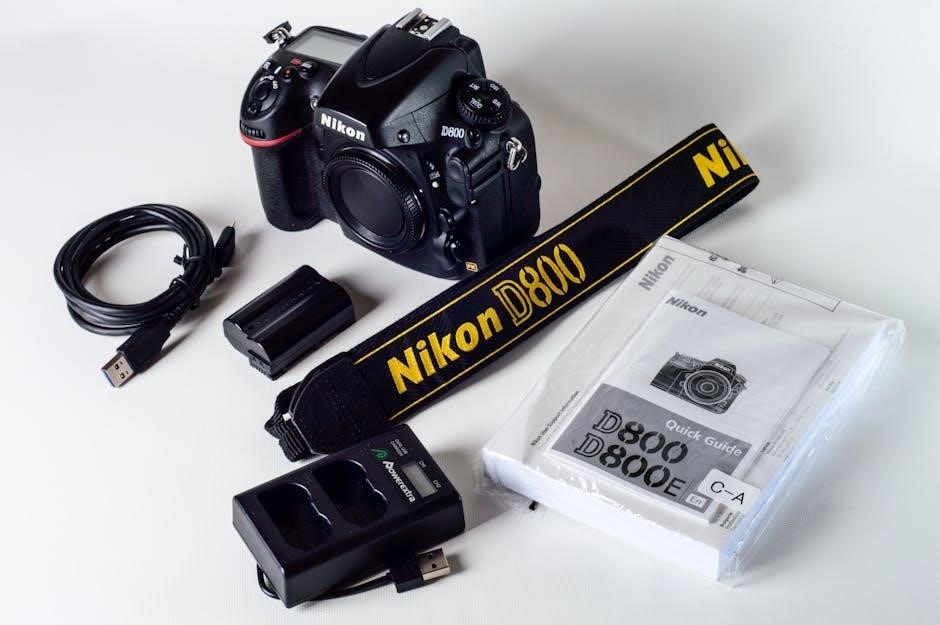
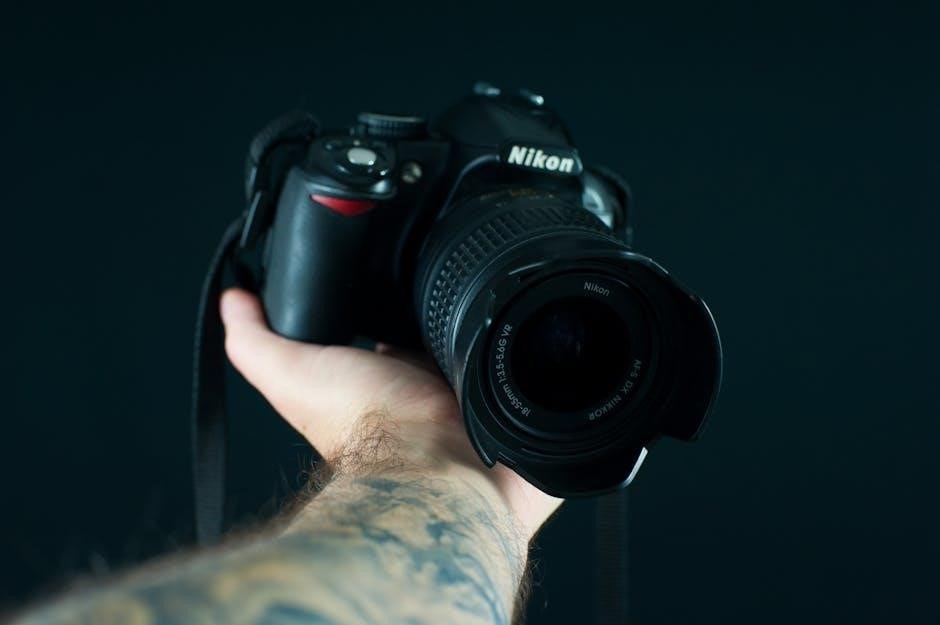
Upon opening your Nikon D70 package, you should find several essential components to begin your photographic adventure․ The core of the package, naturally, is the Nikon D70 digital SLR camera body itself, meticulously crafted for performance and durability․
Alongside the camera, you’ll receive a standard kit lens, typically an 18-55mm zoom lens, providing versatile shooting options right out of the box․ A battery and battery charger are included, ensuring you can power up and capture moments without interruption․ Don’t forget the USB cable for transferring images to your computer and the audio/video cables for potential external connections․
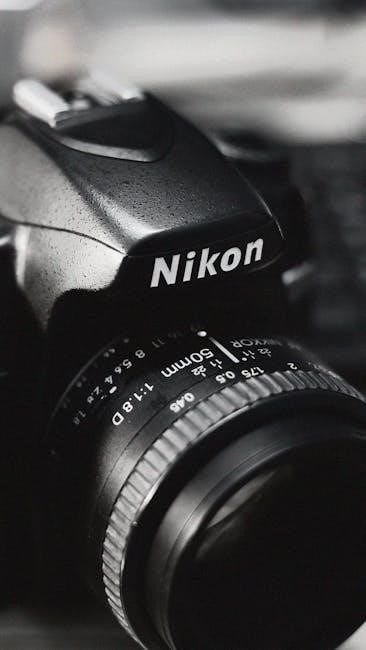
Essential documentation accompanies the camera, including the printed owner’s manual – a valuable resource for understanding all the features and functions․ You’ll also find software CD-ROMs containing Nikon’s image editing and transfer software․ Finally, a strap is provided for comfortable carrying, and various warranty cards and registration information are included for peace of mind․
Carefully verify all items are present to ensure a complete setup․
D70 Key Features & Specifications
The Nikon D70 boasts a 6․3-megapixel CCD image sensor, delivering detailed and vibrant photographs․ It features a fast 5-area autofocus system for sharp image capture, and a bright 2․0-inch LCD screen for easy image review․ Capture continuous action with a 3 frames-per-second continuous shooting speed․
This camera offers a wide ISO range of 200-1600, allowing for shooting in various lighting conditions․ It supports CompactFlash (CF) memory cards for ample storage․ The D70’s D-Lighting function helps to rescue shadows and highlights in challenging lighting situations․
Connectivity options include USB 2․0 and video output․ The camera is compatible with a vast range of Nikkor lenses, expanding your creative possibilities․ Its durable body and intuitive controls make it a reliable companion for photographers of all levels․ The Nikon D70 is a powerful tool for capturing life’s moments with exceptional clarity and detail․
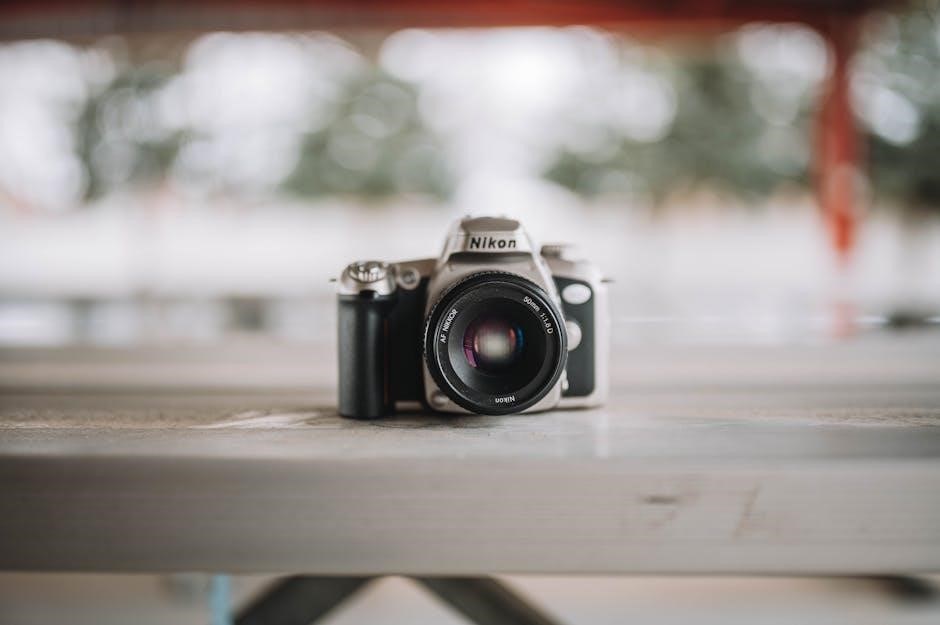
Setting Up Your Nikon D70
Begin your photographic journey! Properly installing the battery and a compatible memory card are the initial steps to unlocking the full potential of your D70․
Ensure a secure lens attachment for optimal image quality and performance, preparing you to capture stunning photographs immediately․
Inserting the Battery and Memory Card
Powering Your Camera: The Nikon D70 utilizes an EN-EL3a rechargeable lithium-ion battery․ Locate the battery compartment on the bottom of the camera․ Gently slide the battery release latch and insert the battery, ensuring the contacts align correctly․ Securely close the latch to prevent accidental dislodgement during use․
Memory Card Installation: The D70 supports CompactFlash (CF) memory cards․ The memory card slot is typically found on the side of the camera․ Open the card door and insert the CF card, label-side up, until it clicks into place․ To remove the card, gently push it in once more to release it․
Important Considerations: Always use Nikon-approved batteries and memory cards for optimal performance and to avoid potential damage to your camera; Ensure the battery is fully charged before initial use․ Regularly back up your images from the memory card to a computer or external storage device to prevent data loss․
Attaching a Lens
Lens Compatibility: The Nikon D70 utilizes the Nikon F mount, compatible with a wide range of Nikkor lenses․ Ensure the lens you are using is designed for a DSLR camera with an F mount․
Attachment Procedure: Align the mounting index on the lens with the corresponding dot on the camera body․ Gently insert the lens into the mount and rotate it clockwise until it clicks securely into place․ Avoid forcing the lens; if resistance is felt, re-align the mounting index․
Detaching the Lens: To remove the lens, press the lens release button located on the camera body․ While holding the button, rotate the lens counterclockwise and gently pull it away from the camera․ Always store lenses with the rear cap attached to protect the delicate glass elements․ Proper lens attachment is crucial for optimal image quality and camera functionality․
Initial Camera Settings (Date, Time, Language)
Setting the Date and Time: Upon first powering on your Nikon D70, you’ll be prompted to set the date and time․ Navigate to the setup menu using the multi-selector and select “Date/Time”․ Use the dials to adjust the year, month, day, hour, and minute․ Accurate date and time settings are essential for correct image file naming and organization․
Selecting the Language: Within the setup menu, locate the “Language” option․ The D70 supports multiple languages; Use the multi-selector to scroll through the available options and select your preferred language for the camera’s interface and menu displays․ This ensures a comfortable and intuitive user experience․ Confirm your selections by pressing the OK button․ These initial settings personalize your camera and prepare it for use․
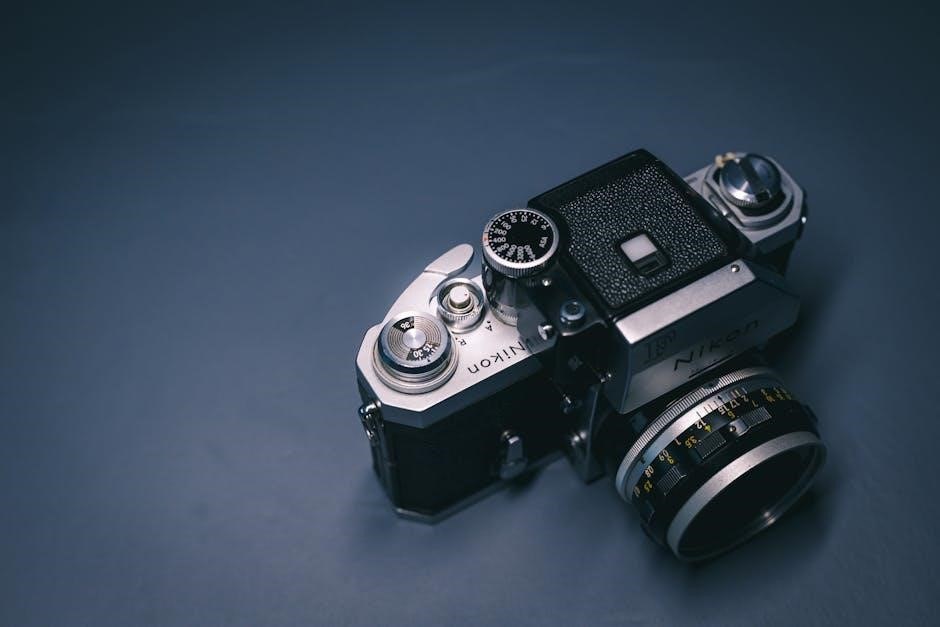
Understanding the D70 Interface
Explore the D70’s layout! Master the mode dial, menu navigation, and information display for efficient control and a personalized shooting experience, enhancing your workflow․
The Mode Dial Explained
The Mode Dial is your primary control for selecting shooting modes․ Understanding each setting unlocks the D70’s full potential․
Auto Mode: Let the camera handle everything – ideal for beginners or quick snapshots․ Program Mode (P): Offers automatic exposure but allows you to adjust ISO, white balance, and other settings․ Aperture-Priority (A or Av): You set the aperture, and the camera determines the shutter speed – perfect for controlling depth of field․
Shutter-Priority (S or Tv): You control the shutter speed, and the camera adjusts the aperture – excellent for capturing motion․ Manual (M): Complete control over both aperture and shutter speed, offering maximum creative freedom․ Scene Modes: Pre-set options for portraits, landscapes, sports, and more, optimizing settings for specific situations․
Familiarize yourself with these modes to confidently tackle any photographic challenge․ Experimentation is key to mastering your D70 and achieving stunning results!
Navigating the Menu System
The Nikon D70’s menu system is logically organized into several categories, accessed via the ‘Menu’ button on the camera’s back․ These categories include Setup, Shooting Menu, Custom Settings, and Playback Menu․ Use the directional pad to navigate up, down, left, and right, and press ‘OK’ to select an option․
Setup Menu: Configure general camera settings like date, time, language, and display options․ Shooting Menu: Adjust image quality, ISO, metering, autofocus, and flash settings․ Custom Settings: Personalize button functions and camera behavior to suit your shooting style․ Playback Menu: Control how images are viewed and managed on the LCD screen․
Online communities like NikonClub․it and Club Nikon․ru can offer valuable tips and insights into utilizing the menu system effectively․ Don’t hesitate to explore and customize – mastering the menus unlocks the D70’s full potential!
Understanding the Information Display
The Nikon D70 features a comprehensive information display visible through the viewfinder and on the rear LCD screen․ This display provides crucial shooting data at a glance, including aperture, shutter speed, ISO, exposure compensation, and remaining battery life․
Viewfinder Display: Shows essential shooting parameters for quick reference․ Rear LCD Display: Offers a more detailed view, including a histogram for assessing exposure․ Pressing the ‘Disp’ button cycles through different display modes, showing or hiding specific information․
Understanding these indicators is vital for achieving desired results․ Resources on NikonClub․it and Club Nikon․ru often discuss interpreting the display for optimal settings․ Familiarize yourself with each element to confidently control your D70 and capture stunning images!
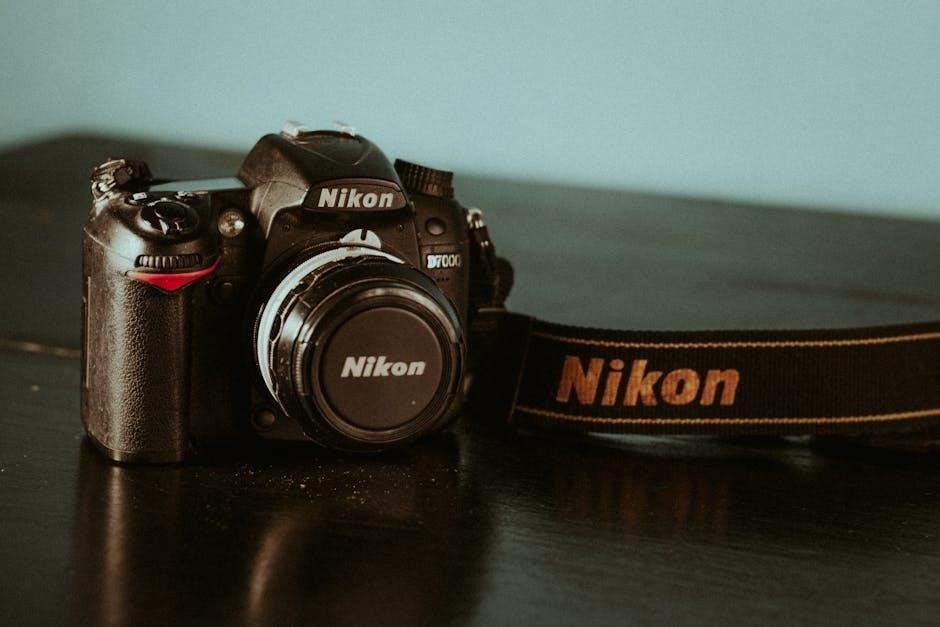
Shooting Basics
Master fundamental techniques! Explore focusing modes, exposure settings, and metering options to unlock your Nikon D70’s potential for capturing beautiful, well-exposed photographs․
Focusing Modes (Auto, Manual)
Achieving sharp images begins with understanding your Nikon D70’s focusing capabilities․ The camera offers both Autofocus (AF) and Manual Focus (MF) modes, each suited for different shooting scenarios․
Autofocus (AF) is ideal for most situations, allowing the camera to automatically lock focus on your subject․ Within AF, you’ll find various modes like Single Servo AF (AF-S) – perfect for stationary subjects – and Continuous Servo AF (AF-C) – best for tracking moving subjects․ Dynamic-area AF allows you to select a focus point, while Auto-area AF lets the camera choose for you․
Manual Focus (MF) gives you complete control over focus․ This is particularly useful in low-light conditions or when shooting through obstacles where autofocus may struggle․ Use the focusing ring on your lens and the viewfinder to precisely adjust focus․ Remember to zoom in on your subject in Live View to confirm sharpness when using MF․
Experiment with these modes to determine which best suits your photographic style and the demands of each shot․ Precise focusing is key to capturing stunning images with your Nikon D70!
Exposure Modes (Auto, Program, Aperture-Priority, Shutter-Priority, Manual)
Mastering exposure is crucial for creative control․ The Nikon D70 offers five primary exposure modes․ Auto mode simplifies settings, letting the camera handle everything – ideal for beginners․ Program mode (P) allows some control, letting you adjust ISO, white balance, and flash, while the camera sets aperture and shutter speed․
Aperture-Priority (A or Av) lets you choose the aperture (f-stop), controlling depth of field, while the camera selects the shutter speed․ Shutter-Priority (S or Tv) allows you to set the shutter speed, freezing or blurring motion, with the camera adjusting the aperture․
Finally, Manual mode (M) grants full control over both aperture and shutter speed․ This is for experienced photographers wanting complete creative freedom․ Understanding these modes empowers you to achieve the desired look and feel in your photographs․ Experiment to discover which mode best suits your vision!
Metering Modes (Matrix, Center-Weighted, Spot)
Accurate exposure relies on understanding metering modes․ The Nikon D70 provides three options․ Matrix metering (also known as evaluative metering) analyzes the entire scene, offering a balanced exposure suitable for most situations․ It’s the default and generally reliable choice for everyday photography․
Center-weighted metering prioritizes the center of the frame, gradually decreasing sensitivity towards the edges․ This is useful when your subject is centrally located and you want to ensure it’s properly exposed, even with strong backlighting․
Spot metering measures light from a very small area, allowing precise exposure control for specific subjects․ It’s ideal for challenging lighting conditions or when you need to expose for a small, important detail․ Experiment with each mode to see how they affect your images and choose the best option for each scene․
Advanced Shooting Techniques
Unlock your D70’s potential! Master flash usage, refine white balance, and customize Picture Control settings for truly stunning and personalized photographic results․
Using Flash Effectively
Harnessing the Power of Illumination: The Nikon D70’s built-in flash and compatibility with external flash units offer versatile lighting solutions․ Begin by understanding the flash modes – Auto, Red-Eye Reduction, Fill-Flash, and Manual․ Auto mode lets the camera determine flash intensity, while Red-Eye Reduction minimizes that unwanted effect․
Fill-Flash adds light to shadowed areas in bright conditions, balancing exposure․ For precise control, explore Manual mode, adjusting flash output to suit the scene․ Consider bouncing the flash off ceilings or walls for softer, more natural lighting․ Experiment with flash compensation to fine-tune brightness․
External flash units, attachable via the hot shoe, provide greater power and features like TTL (Through-The-Lens) metering for accurate exposure․ Explore creative flash techniques like rear-curtain sync for dramatic motion blur effects․ Remember to consider the flash sync speed of your D70 to avoid dark bands in your images․
White Balance Adjustment
Achieving Accurate Colors: The Nikon D70’s white balance settings are crucial for rendering accurate colors in various lighting conditions․ Automatic White Balance (AWB) is a convenient starting point, but often struggles with mixed or unusual light sources․ Explore the preset modes – Daylight, Cloudy, Fluorescent, Tungsten, and Flash – to match the prevailing illumination․
For optimal results, utilize Custom White Balance․ This involves photographing a white or gray card under the specific lighting conditions and instructing the camera to use that as a reference․ This ensures colors are faithfully reproduced․ Understanding color temperature (measured in Kelvin) helps fine-tune white balance manually․
Experiment with the white balance bracketing feature to capture a series of images with slightly different white balance settings, allowing you to choose the most pleasing result during post-processing․ Incorrect white balance can lead to color casts, so careful adjustment is key․
Customizing Picture Control Settings
Personalizing Your Images: The Nikon D70’s Picture Control system allows you to tailor the look of your images directly within the camera․ Choose from Standard, Neutral, Vivid, Monochrome, and Portrait presets, each offering a distinct aesthetic․ However, the true power lies in customization․
Each Picture Control offers adjustable parameters: Sharpness, Contrast, Brightness, Saturation, and Hue․ Experiment with these settings to create a unique visual style․ For example, increasing sharpness and contrast can enhance landscape details, while reducing saturation can create a more muted, artistic effect․
Save your customized Picture Controls for quick access․ This is particularly useful if you frequently shoot in specific conditions or desire a consistent look across your photographs․ Remember that RAW image capture retains all image data, allowing for extensive post-processing adjustments, regardless of the Picture Control used․
Maintenance and Troubleshooting
Keep it Clean! Regularly clean the sensor and familiarize yourself with common error messages for optimal performance and longevity of your Nikon D70․
Proper battery care, including correct charging practices, will ensure reliable operation and extend the lifespan of your camera;
Cleaning the Sensor
Dust and Debris: The Nikon D70’s sensor, like all digital camera sensors, is susceptible to accumulating dust and debris, especially when lenses are changed frequently in various environments․ This can manifest as dark spots in your images, particularly noticeable in bright, evenly lit scenes․
Prevention is Key: Minimizing sensor contamination starts with careful lens handling․ Always point the camera body downwards when changing lenses to prevent particles from falling onto the sensor․ Consider working in cleaner environments when possible․
Cleaning Methods: Nikon recommends using a blower to dislodge loose particles first․ If this isn’t sufficient, utilize a sensor cleaning kit specifically designed for DSLR cameras․ These kits typically include sensor swabs and cleaning fluid․ Important: Always follow the kit’s instructions meticulously․ Improper cleaning can damage the sensor․
Professional Cleaning: For stubborn or persistent dust, or if you are uncomfortable performing the cleaning yourself, it’s best to have the sensor professionally cleaned by a qualified camera technician․ Attempting to clean the sensor without proper knowledge or tools could lead to irreversible damage․
Frequency: The frequency of sensor cleaning depends on your shooting environment and lens changing habits․ Regularly inspect your images for dust spots and clean as needed․
Common Error Messages and Solutions
“Err” Display: A general “Err” message often indicates a communication issue between the camera and a connected device, like a lens or flash․ Try turning the camera off and on again, or reseating the accessory․ Check for firmware updates on the Nikon support website․
“Battery Chamber Empty”: This clearly indicates the battery isn’t properly installed or is severely depleted․ Ensure the battery is correctly seated and fully charged using the provided charger․ Avoid using third-party batteries․
“Memory Card Error”: This suggests a problem with the memory card – it may be corrupted, incompatible, or full․ Try a different card, reformat the existing card (after backing up its contents!), or consult the camera’s manual for compatible card types․
“Lens Not Attached”: Verify the lens is securely mounted and the lens contacts are clean․ If the issue persists, a problem with the lens mount or internal camera communication may require professional repair․
Further Assistance: For error messages not listed here, consult the detailed troubleshooting section in the Nikon D70’s comprehensive owner’s manual or visit Nikon’s support website for specific guidance․
Battery Care and Charging
Charging Your Battery: Always use the supplied Nikon MH-27 charger․ Initial charging may take several hours․ The charger’s indicator light will turn green when complete․ Avoid using third-party chargers, as they may damage the battery or camera․
Battery Storage: For extended storage, discharge the battery to approximately 50% charge․ Store it in a cool, dry place, away from direct sunlight and extreme temperatures․ Avoid storing a fully charged or completely discharged battery for prolonged periods․
Battery Life: Battery life varies depending on usage․ Frequent use of the LCD screen, flash, and live view will consume more power․ Consider carrying a spare, fully charged battery for extended shooting sessions․
Handling Precautions: Do not disassemble, short-circuit, or expose the battery to water or fire․ Dispose of used batteries responsibly, following local regulations․ Refer to the owner’s manual for detailed safety information․
Optimal Performance: Regularly cycle the battery (charge and discharge) to maintain its optimal performance and longevity․
Resources and Support
Access vital assistance! Explore Nikon’s official support website and connect with thriving online communities like NikonClub․it and Club Nikon․ru for guidance․
Find forums, FAQs, and expert advice to enhance your Nikon D70 experience and photographic skills․
Nikon Support Website
Your primary resource for all things Nikon D70 is the official Nikon Support Website․ This digital hub provides a wealth of information specifically tailored to your camera model, ensuring you have access to the latest updates, drivers, and comprehensive documentation․
Here, you’ll discover downloadable manuals – including the complete Nikon D70 owner’s manual – offering detailed explanations of every feature and function․ The website also hosts a robust FAQ section addressing common questions and troubleshooting scenarios․
Furthermore, Nikon provides access to software downloads necessary for image transfer and editing, alongside helpful tutorials and guides to elevate your photography․ You can register your Nikon D70 for warranty information and potential service updates․
The Nikon Support Website is designed to empower you with the knowledge and tools needed to fully utilize your camera’s capabilities and resolve any issues you may encounter, ensuring a consistently positive photographic experience․
Online Communities and Forums (NikonClub․it, Club Nikon․ru)
Expand your Nikon D70 knowledge and connect with fellow enthusiasts through vibrant online communities! NikonClub․it and Club Nikon․ru offer dedicated spaces for sharing experiences, seeking advice, and mastering your camera’s potential․
These forums are brimming with discussions on techniques, troubleshooting, and the latest Nikon products․ You’ll find a wealth of user-generated content, including tips, tutorials, and stunning photographs showcasing the D70’s capabilities․
Engage in conversations about lenses, settings, and post-processing, benefiting from the collective wisdom of experienced Nikon photographers․
Both communities actively host events and gatherings, providing opportunities for in-person learning and networking․ Whether you’re a beginner or a seasoned pro, these platforms are invaluable resources for enhancing your photographic journey and deepening your understanding of the Nikon D70․